Guide
Coordinating help at two addresses
Loading and unloading are two separate jobs. Here's how to plan each one.
Updated October 13, 2026
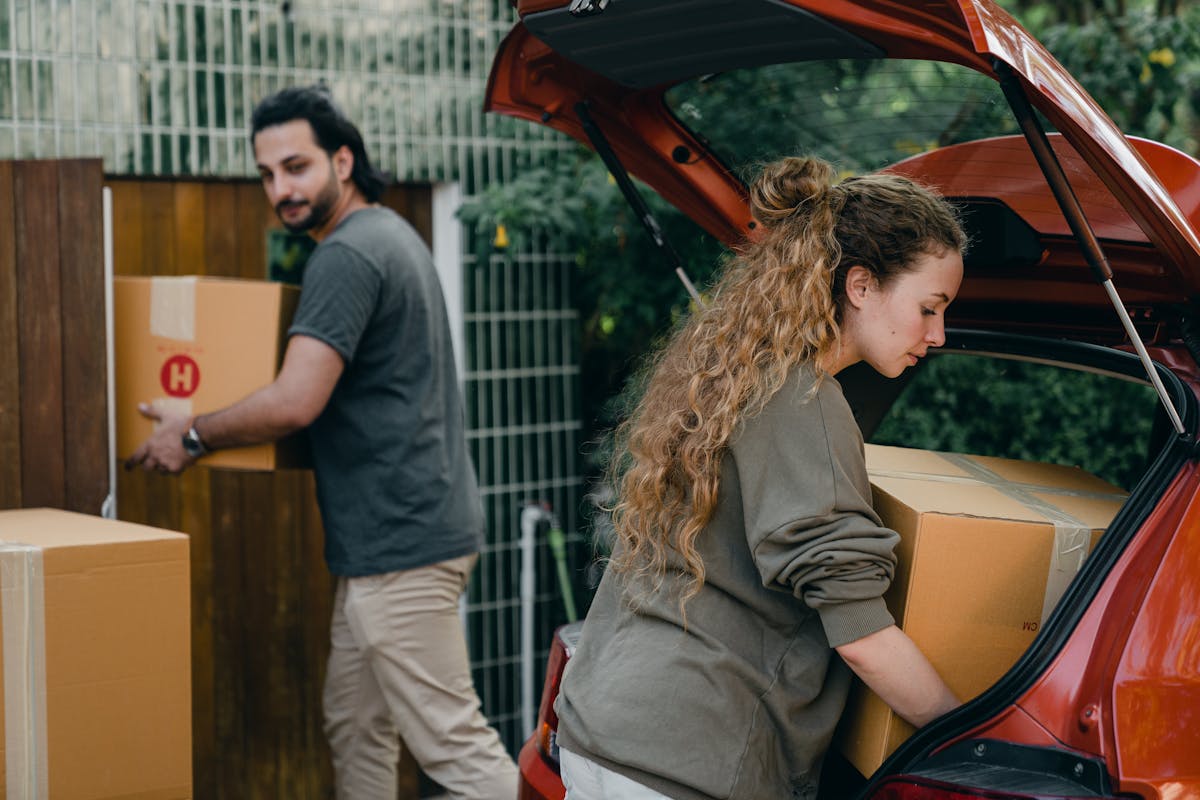
When you drive the truck yourself, your move has two jobs: loading at your old address and unloading at your new one. Each job has its own access, timing and sometimes its own crew.
Why each address is planned separately
- Access is rarely the same. A ground-floor house with a driveway and a third-floor walk-up with street parking take very different amounts of time.
- Timing depends on you. Truck pickup, loading, fuel, traffic and breaks all happen before the second job can start.
- Coverage can differ. One address may be in an open service area while the other isn't.
Local moves
For short moves within one metro area, loading and unloading may happen on the same day, sometimes with the same crew. Don't assume it. Your confirmation should say whether it's one continuous appointment or two.
Longer moves
If you're driving between cities or states, treat loading and unloading as separate appointments:
- Book loading at the origin for a fixed time.
- Book unloading at the destination for a realistic arrival window, allowing for a slower loaded truck.
- Keep both crews' contact details. Tell the crew at the new address if you're running late.
What to record for each address
- City and ZIP
- Home type and floor
- Stairs, and whether there's an elevator that needs reserving
- How far the truck can park from the door
- Any parking or container permits needed
The move planner records all of this for each address separately.